



Skip to content
Logo Cider
  • El Cider
    • Facultad
    • Acerca del Cider
    • Historia
    • Directores
  • Programas
    académicos

    Posgrados

    • Especialización en Gestión y Planificación Territorial
    • Especialización en Estado, Políticas Públicas y Desarrollo
    • Maestría en Género
    • Maestría en Planificación Urbana y Regional
    • Maestría en Estudios Interdisciplinarios sobre Desarrollo
    • Doctorado en Estudios Interdisciplinarios sobre De​sarrollo

    Opción en Estudios Interdisciplinarios s​obre Desarrollo

    Cursos CBU

    Alianzas y Convenios

    Educación continua

    • Cursos abiertos al público
    • Cursos cortos sin costo
    • Macro y Microcredenciales
    • Cursos libres y de extensión
    • Escuela Internacional de Verano
    • Programas corporativos
    • Contacto
    Foto menú programas académicos
  • Nuestra
    comunidad
    • Profesores y profesoras
    • Equipo administrativo
    • Egresadas y egresados
    • Representantes Estudiantiles
    • Estudiantes
  • Investigaciones y
    consultoría
    • Investigación
    • Planificación, gobernanza y desarrollo territorial
    • Género, equidad y desarrollo
    • Instituciones, paz y desarrollo
    • Sostenibilidad, ambiente y desarrollo
  • Publicaciones
    • Catálogo de libros
    • Otras Publicaciones
    • Comité de Ética
  • Novedades y
    oportunidades

    Noticias

    Eventos

    Podcasts

    Multimedia

    Boletín informativo

    Portal trino extendido

    Servicios Uniandes

    Oportunidades y Convocatorias

    Kit de comunicaciones

    Comunidad Cider

    • · Semillero de post-desarrollo
    • · MAAD en el Cider
    • · CiderX
    Foto menú programas académicos
  • Contacto

Profesores | Gonzalo Alfredo Vargas Forero

  • Ph.D. en Estudios del Desarrollo
  • govargas @uniandes.edu.co

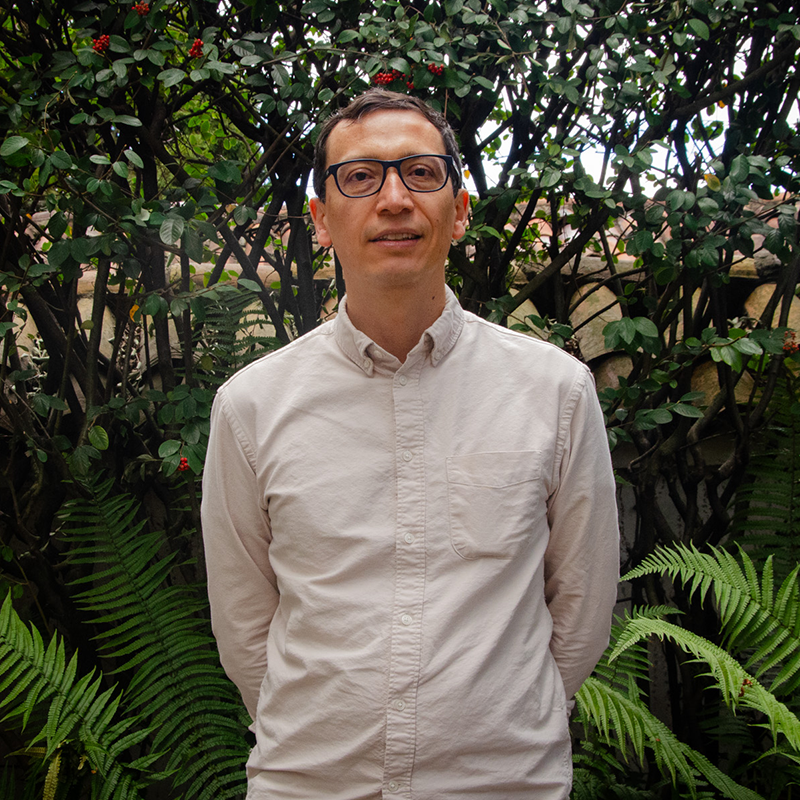
Gonzalo Alfredo Vargas Forero

Profesor de planta

Perfil

Ph.D. en Estudios del Desarrollo por la London School of Economics (Reino Unido), magíster en Economía de la Universidad Nacional de Colombia y administrador público de la Escuela Superior de Administración Pública (Esap). Sus temas de interés incluyen la violencia, el desarrollo y las instituciones; el hambre, la desnutrición y la agricultura; la economía política del desarrollo; y el análisis comparado. En años recientes, ha publicado artículos en revistas como Journal of Peasant Studies, Extractive Industries and Society y Civil Wars. Coordinador del Cider en el proceso de integración con la Facultad de Ciencias Sociales.


Descargar hoja de vida

Cursos Recientes

2025
TEORÍAS DEL DESARROLLO

Reloj Primer Periodo

Licenciatura Maestría

2025
TRABAJO DE GRADO 2

Reloj Segundo Trimestre

Licenciatura Maestría

2025
ESTUDIOS DIRIGIDOS 3

Reloj Primer Periodo

Licenciatura Doctorado

2025
SUSTENTACIÓN

Reloj Primer Periodo

Licenciatura Doctorado

2025
PROFUNDIZACIÓN MÉTODOS CUALI

Reloj Primer Periodo

Licenciatura Licenciatura

2025
POLÍT. PÚBLICAS, PAZ Y DESARRO

Reloj Segundo Periodo

Licenciatura Maestría

2025
COLOQUIO MAESTRÍA CONSTR. PAZ

Reloj Segundo Periodo

Licenciatura Maestría

2025
PROFUNDIZACIÓN MÉTODOS CUALI

Reloj Segundo Periodo

Licenciatura Licenciatura

2025
EXAMEN TEMÁTICO

Reloj Primer Periodo

Licenciatura Doctorado

2025
DEBATES CONTEMPORÁNEOS DLLO

Reloj Segundo Periodo

Licenciatura Maestría

2025
TRABAJO DE GRADO 1

Reloj Segundo Trimestre

Licenciatura Maestría

2025
CRÉDITOS POR INVESTIGACIÓN

Reloj Primer Periodo

Licenciatura Licenciatura

2025
TALLER DE INNOVACIÓN SOCIAL

Reloj Primer Periodo

Licenciatura Maestría

2025
PROPUESTA DE TESIS

Reloj Primer Periodo

Licenciatura Doctorado

2025
TALLER DE TESIS

Reloj Primer Periodo

Licenciatura Doctorado

2024
TEORÍAS DEL DESARROLLO

Reloj Primer Periodo

Licenciatura Especialización

2024
TEORÍAS DEL DESARROLLO

Reloj Primer Periodo

Licenciatura Maestría

2024
HISTORIA DEL DESARROLLO

Reloj Segundo Periodo

Licenciatura Licenciatura

2024
COLOQUIO MAESTRÍA CONSTR. PAZ

Reloj Primer Periodo

Licenciatura Maestría

2024
POLÍT. PÚBLICAS, PAZ Y DESARRO

Reloj Segundo Periodo

Licenciatura Maestría

2024
ELECT. METODOLÓGICA INVESTIG.

Reloj Segundo Periodo

Licenciatura Maestría

2023
TEORÍAS DEL DESARROLLO

Reloj Primer Periodo

Licenciatura Especialización

2023
TEORÍAS DEL DESARROLLO

Reloj Primer Periodo

Licenciatura Maestría

2023
VIOLENCIA Y DESARROLLO

Reloj Segundo Periodo

Licenciatura Licenciatura

2023
TRANSICIONES SOCIOECOL. JUSTAS

Reloj Curso Verano

Licenciatura Maestría

2023
HISTORIA DEL DESARROLLO

Reloj Primer Periodo

Licenciatura Licenciatura

2023
POLÍT. PÚBLICAS, PAZ Y DESARRO

Reloj Segundo Periodo

Licenciatura Maestría

2022
METODOLOGÍA DE INVESTIGACIÓN

Reloj Primer Periodo

Licenciatura Maestría

2022
HISTORIA DEL DESARROLLO

Reloj Primer Periodo

Licenciatura Licenciatura

2021
VIOLENCIA Y DESARROLLO

Reloj Primer Periodo

Licenciatura Licenciatura

2021
HISTORIA DEL DESARROLLO

Reloj Primer Periodo

Licenciatura Licenciatura

2021
HISTORIA DEL DESARROLLO

Reloj Segundo Periodo

Licenciatura Licenciatura

2021
METODOLOGÍA DE INVESTIGACIÓN

Reloj Primer Periodo

Licenciatura Maestría

2020
VIOLENCIA Y DESARROLLO

Reloj Primer Periodo

Licenciatura Licenciatura

2020
HISTORIA DEL DESARROLLO

Reloj Primer Periodo

Licenciatura Licenciatura

2020
VIOLENCIA Y DESARROLLO

Reloj Segundo Periodo

Licenciatura Licenciatura

2020
HISTORIA DEL DESARROLLO

Reloj Segundo Periodo

Licenciatura Licenciatura

2020
DEBATES CONTEMPORÁNEOS DLLO

Reloj Segundo Periodo

Licenciatura Maestría

2019
VIOLENCIA Y DESARROLLO

Reloj Segundo Periodo

Licenciatura Licenciatura

2019
MÉTODOS DE INVESTIGACIÓN

Reloj Primer Periodo

Licenciatura Maestría

2019
ENFOQUES DESARROLLO RURAL-TD

Reloj Primer Periodo

Licenciatura Doctorado

2019
MÉTODOS DE INVESTIGACIÓN

Reloj Segundo Periodo

Licenciatura Maestría

2019
HISTORIA DEL DESARROLLO

Reloj Segundo Periodo

Licenciatura Licenciatura

2018
MÉTODOS DE INVESTIGACIÓN

Reloj Primer Periodo

Licenciatura Maestría

2018
MÉTODOS DE INVESTIGACIÓN

Reloj Segundo Periodo

Licenciatura Maestría

2018
HISTORIA DEL DESARROLLO

Reloj Segundo Periodo

Licenciatura Licenciatura

2018
VIOLENCIA Y DESARROLLO

Reloj Segundo Periodo

Licenciatura Licenciatura

2017
CONVIV Y RECONST TEJIDO SOCIAL

Reloj Primer Periodo

Licenciatura Maestría

2017
ECON POLI CONFLICTOS ARMADOS

Reloj Segundo Periodo

Licenciatura Maestría

2017
COLOMBIA, PAIS DE REGIONES

Reloj Primer Periodo

Licenciatura Licenciatura

2017
VIOLENCIA Y DESARROLLO

Reloj Segundo Periodo

Licenciatura Licenciatura

2017
MÉTODOS DE INVESTIGACIÓN

Reloj Segundo Periodo

Licenciatura Maestría

2017
COLOMBIA, PAIS DE REGIONES

Reloj Segundo Periodo

Licenciatura Licenciatura

2016
ECON POLI CONFLICTOS ARMADOS

Reloj Primer Periodo

Licenciatura Maestría

2016
PLANIFICACION Y FINAN DLLO

Reloj Primer Periodo

Licenciatura Especialización

2016
VIOLENCIA Y DESARROLLO

Reloj Segundo Periodo

Licenciatura Licenciatura

2016
VIOLENCIA Y DESARROLLO

Reloj Primer Periodo

Licenciatura Licenciatura

2016
ESTADO Y DESARROLLO

Reloj Segundo Periodo

Licenciatura Maestría

2016
PLANIFICACION Y FINAN DLLO

Reloj Segundo Periodo

Licenciatura Especialización

2016
ECON POLI CONFLICTOS ARMADOS

Reloj Segundo Periodo

Licenciatura Maestría

2016
CONVIV Y RECONST TEJIDO SOCIAL

Reloj Segundo Periodo

Licenciatura Maestría

Productos Recientes

  • Rodríguez A, Hurtado-Tarazona A. (2026)

    Vivir al margen y crear infraestructuras: Jóvenes y Espacio en una periferia de Cali – Colombia – Entorno Geográfico (ISSN 1692-0074). Leer más

    Artículo

  • Hurtado-Tarazona A, Rinaudo Velandia, Malena. (2025)

    An Ethnography of Urban Change: Conflicting Notions of Home Among First-time Homeowners of Commodified, Peripheral Social Housing in Colombia – Urbanities -Journal of Urban Ethnography (ISSN 2239-5725). Leer más

    Artículo

  • .(2025).

    Infraestructuras Periféricas: Reinventar el Espacio Público de Esparcimiento y el Bienestar de Jóvenes en la ladera de la Comuna 18 – Cali, Colombia Leer más

    Tesis

  • .(2025).

    Mejoramiento de vivienda y sostenibilidad ambiental: Análisis de los programas “Casa Digna, Vida Digna” y el “Plan Terrazas” Leer más

    Tesis

  • Hurtado-Tarazona A.(2025).

    Planear la ciudad y la vivienda en tiempos de crisis Leer más

    Evento

  • Thomasz A, Hurtado-Tarazona A, Rinaudo Velandia, Malena. (2025)

    Políticas de vivienda de interés social del siglo XXI: entre el Estado y el mercado: Algunas notas sobre Ciudad Verde (Soacha, Colombia) y Estación Buenos Aires (Buenos Aires, Argentina) – Quid16. Revista del Área de Estudios Urbanos (ISSN 2250-4060). Leer más

    Artículo

  • Hurtado-Tarazona A. (2025)

    ¿La política de vivienda corrige el verdadero problema? – ¿Qué carajos hacemos con Bogotá? Opiniones expertas (ISBN 978-628-97304-0-1).

    Capítulo de Libro

  • .(2024).

    Ciudadanía en Ciudad Verde: Relaciones de residentes con instituciones públicas en un escenario de metropolización Leer más

    Tesis

  • .(2024).

    Dos hogares un residente. Nociones de hogar en estudiantes foráneos. Caso de estudio: Corporación de Residencias Universitarias 10 de mayo Leer más

    Tesis

  • Alvarez M, Fleischer F, Hurtado-Tarazona A. (2024)

    El cuidado y las redes en el centro del bienestar – Imprenta – Publicación divulgativa de la Facultad de Ciencias Sociales – Universidad de los Andes (ISSN 11111111). Leer más

    Producción Periodística

  • Hurtado-Tarazona A.(2024).

    From formal to substantive proximity: lessons from urban interventions in Colombia Leer más

    Evento

  • Alvarez M, Fleischer F, Hurtado-Tarazona A. (2024)

    Making the state care: the role of political willingness and brokerage in Bogota’s new feminist care policy – City (ISSN 13604813). Leer más

    Artículo

  • Helen Pineo , Alvarez M, Elis Borde, Teixeira W, Vafa Dianati ,, Geraint Ellis , Fleischer F, Hurtado-Tarazona A, Sarmiento OL, Agustina Martire , Montero S, Gemma Moore , Rebecca Morley , Aarathi Prasad. (2024)

    Mobilizing knowledge about urban change for equity and sustainability: developing ‘Change Stories’, a multi-country transdisciplinary study – Wellcome Open Research (ISSN 2398-502X). Leer más

    Artículo

  • Hurtado-Tarazona A.(2024).

    Ongoing struggles for inhabitation: socio-spatial exclusion through “financial inclusion” in peripheral social housing in Colombia Leer más

    Evento

  • Sotomayor L, Hurtado-Tarazona A.(2024).

    Periferias verticales: La política de vivienda social en Colombia como generadora de nuevas periferias metropolitanas Leer más

    Evento

  • Hurtado-Tarazona A.(2024).

    Planificar la ciudad y la vivienda en tiempos de crisis: lecciones de la investigación para pensar transiciones urbanas Leer más

    Evento

  • Hurtado-Tarazona A, Rinaudo Velandia, Malena. (2024)

    Sostener la vida en Ciudad Bicentenario: infraestructuras tambaleantes en un megaproyecto de vivienda social periférica (Cartagena, Colombia)

    Artículo

  • Hurtado-Tarazona A, Sotomayor L.(2024).

    The Embodied Costs of Social Housing Financialization: Individual agency, strategies, and resources Leer más

    Evento

  • Hurtado-Tarazona A.

    The Home-Debt Nexus: Feminist Perspectives on Housing, Gender, and Everyday Life in Mexico City, Buenos Aires, and Bogotá Leer más

    Otro

  • Guevara-Aladino P, Sarmiento OL, King A, Hurtado-Tarazona A, Banchoff A, Guzman Luis A., Alvarez M. (2024)

    Urban Care for Unpaid Caregivers: Community Voices in the Care Block Program, in Bogotá, Colombia – Journal of Urban Health (ISSN 1099-3460). Leer más

    Artículo

Títulos Académicos Recientes

Doctora en Antropología

Año: 2018

Universidad: Universidad De Los Andes, Colombia

País: Colombia

Tipo de Título: Doctoral degree

MAGISTER EN ANTROPOLOGIA

Año: 2017

Universidad: Universidad De Los Andes, Colombia

País: Colombia

Tipo de Título: Master degree

MAGISTER EN PLANIFICACION Y ADMINISTRACION DEL DESARROLLO REGIONAL

Año: 2007

Universidad: Universidad De Los Andes, Colombia

País: Colombia

Tipo de Título: Master degree

ESPECIALISTA EN PLANIFICACION Y ADMINISTRACION DEL DESARROLLO REGIONAL

Año: 2007

Universidad: Universidad De Los Andes, Colombia

País: Colombia

Tipo de Título: Specialization

ANTROPOLOGO

Año: 2003

Universidad: Universidad De Los Andes, Colombia

País: Colombia

Tipo de Título: Bachelor degree

Proyectos Recientes

The Home-Debt Nexus: Feminist Perspectives on Housing, Gender, and Everyday Life in Mexico City, Buenos Aires, and Bogotá

Año de Aprobación: 2025

Código del Proyecto: PR.2.2025.11787

Descripción: Living with debt has become a widespread experience in the aftermath of the COVID-19 pandemic, the related increases in cost of living and private debt-taking, and years of widespread austerity measures and low income levels. In Latin American cities, household debt has evolved in and due to a housing crisis caused by diverse processes of housing financialization (IBD, 2022): While access to subprime mortgages for single-family housing indebted lower- and middle-income populations in some cities, elsewhere, the financialization of and speculation with rental housing fostered indebtedness through rising rents and resulting rent arrears (Albers et al, 2020). These market dynamics have gone hand in hand with spatio-material transformations that have shaped the lives of households and urban communities, thereby challenging modalities of making home: Housing speculation in urban peripheries has scattered families, evictions have ruptured community relations, and the degradation of housing stock has shaped households’ sense of security and belonging. The intersection of these challenges – of making home and living with debt – endangers the reproduction of life itself and thus emerges as one of the key challenges for sustainable urban futures that has been particularly crucial for female-headed households, which bear the brunt of this burden.To better understand the home-debt nexus, this project advances feminist perspectives on debt and associated relations of dependency, on the diverse mundane and political responses of female-headed households to cope and come out ahead of their debt crisis, and on how these households are shaped by the material (home) geographies of the city. To this end, the project weaves together economic and feminist thinking on housing finance and home with (urban) debates on debt. Recent work on the financialization of housing (Janoschka & Salinas, 2017) has documented processes of exploitation through subprime lending, the entangled sprawl of housing units in urban peripheries (Reis & Lukas, 2022), and the increasing indebtedness of rental households (Guerreiro, 2022). Across feminist takes on financialization (Cavallero & Gago, 2021), there is a deepening consensus that understanding the consequences of housing debt requires an interrogation of how debt relationships are woven into everyday life (Garcia-Lamarca & Kaika, 2016), particularly of women, and in the work of social reproduction (Federici, 2014). Yet, only a few of these accounts have centred the home as a site of the debt crisis (but see Brickell, 2020; Smith, 2008) and unpacked the various relations of dependency related to multiple – formal and informal – relations of debt. Moreover, contemporary literature largely fails to address the practices through which women respond to this crisis to rebuild residential infrastructures, overcome dependencies, and restore community life.To address these gaps, our research questions (RQs) address the combined challenges of women’s dependency at the nexus of indebtedness and making home, their everyday practices of responding to these challenges, and the geographical and material conditions of indebted life. First, we investigate how formal and informal relations of debt create and transform relations of dependency with families, neighbours, landlords, communities, banks, the city, and the state (RQ1). Second, we ask how female-headed households practice individual or collectivized strategies of repair, care, maintenance, and community building and organizing (RQ2). Third, we inquire into how these relations and practices are conditioned by the infrastructure of housing and the geography of the city (RQ3). These questions are motivated by two objectives: First, a qualitative, comparative study of female-headed households in Mexico City, Buenos Aires, and Bogotá provides new empirical insights into the home-debt nexus through selected in-depth case study research. Second, the project gathers these insights and the longstanding engagement of experts from geography, political science, anthropology, and urban studies into comparative conceptualizations. Methods will be mixed: Contextualized in an analysis of legal frameworks and policy papers, data will be collected through expert interviews, serial interviews, focus groups, and go-alongs.

Vertical Peripheries: Planning and citizenship in Colombia’s commodified periurban housing towers

Año de Aprobación: 2023

Código del Proyecto: PR.2.2023.10168

Descripción: This interdisciplinary research project (Canada, Colombia, urban planning, anthropology, development studies, and ecological economics) will investigate the implementation and effects of Colombia’s market-based housing policy as it restructures the country’s metropolitan peripheries. Specifically, the project aims to understand how commodified social housing affects peripheral urbanization, urban planning processes, and ultimately, residents’ everyday lives. Adequate and affordable housing is a fundamental component of societal wellbeing (UN Sustainable Development Goal 11). Yet millions, both in the Global North and South, live in woefully inadequate housing or are burdened with insurmountable debt to access better shelter. In Colombia, the context post the 52-year armed conflict and a continuing migration crisis, are exacerbating the housing crisis. The project aims to: (1) elucidate state-market relations in the Colombian low-cost housing policy; (2) examine the national housing policy implementation and subsequent municipal planning responses in relation to the production of peri-urban residential projects; (3) assess the extent of residents’ agency and citizenship; and (4) determine what types of needs are satisfied or hindered by the new apartment units and by collective life in the tower complexes.

Conceptualización y diseño de un sistema de gestión de desempeño del modelo hábitat Comfama

Año de Aprobación: 2022

Código del Proyecto: PR.2.2022.10167

Descripción:

Esta consultoría tiene el objetivo de diseñar, en co-creación con el equipo hábitat Comfama, un sistema de
gestión de desempeño que mida resultados de corto, mediano y largo plazo, en el progreso, bienestar y
adopción de hábitos y prácticas de cuidado, del modelo hábitat Comfama.

Vivienda y ciudadanía en contextos de desigualdad

Año de Aprobación: 2020

Código del Proyecto: PR.3.2020.6987

Descripción: América Latina, una de las regiones más urbanizadas del mundo, es también una de las más desiguales. La desigualdad se manifiesta en el territorio a través de expresiones como la segregación socioespacial o las barreras de los más pobres para el acceso a la vivienda, problemas que generan obstáculos para el pleno ejercicio de la ciudadanía y que han sido analizados desde varias disciplinas. Sin embargo, el vínculo entre las condiciones residenciales y las posibilidades y limitaciones para la ciudadanía no ha sido suficientemente explorado en los casos en los que las personas ya han hecho efectivo, aunque sea nominalmente, su derecho a la vivienda, específicamente en contextos de financiarización de la vivienda, que es la tendencia predominante en varias ciudades de la región. Mi plan de investigación para los próximos tres años analiza este vínculo a partir de la experiencia de los residentes de distintos “productos” de la política de vivienda en Colombia. A través de una exploración etnográfica sobre formas de ciudadanía en proyectos de vivienda de interés social periférica en distintas ciudades del país, y de investigación participativa en el proceso de negociación de residentes con constructores privados de vivienda en un plan parcial de renovación urbana central en Bogotá, me acerco a las prácticas en las que habitantes en distintos contextos residenciales incurren para acceder a sus derechos, asegurar sus medios de vida y su lugar en la ciudad una vez resuelto el acceso a la vivienda. Los hallazgos alimentarán debates académicos y de políticas sobre el acceso diferencial al derecho a la ciudad, sobre la capacidad de las políticas de vivienda para reducir las desigualdades y sobre la interlocución entre la ciudadanía no organizada y los actores públicos y privados que producen el espacio urbano.

Videos relacionados

Noticias relacionadas

Programas relacionados

Cursos Educación continua relacionados

Eventos relacionados

Publicaciones

Loading...

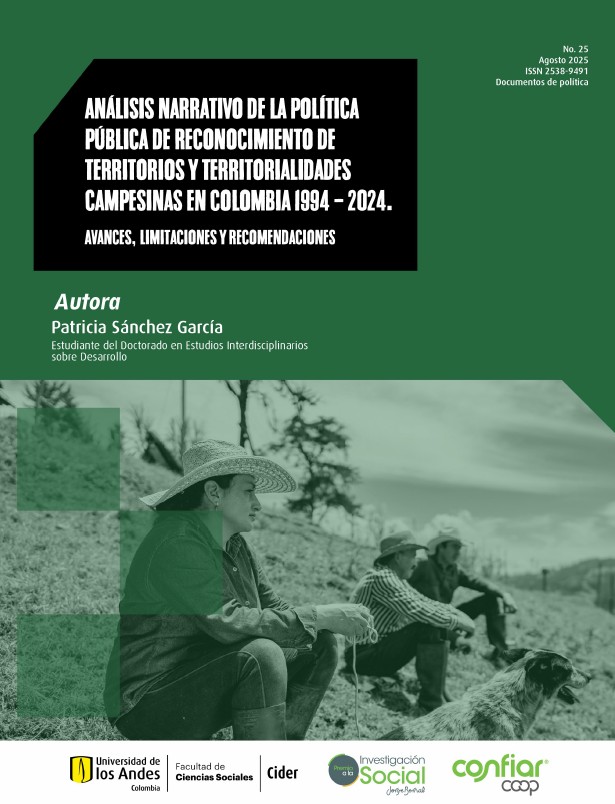
Documentos de política #25 Análisis narrativo de la política pública de reconocimiento de territorios y territorialidades campesinas en Colombia 1994 – 2024. Avances, limitaciones y recomendaciones

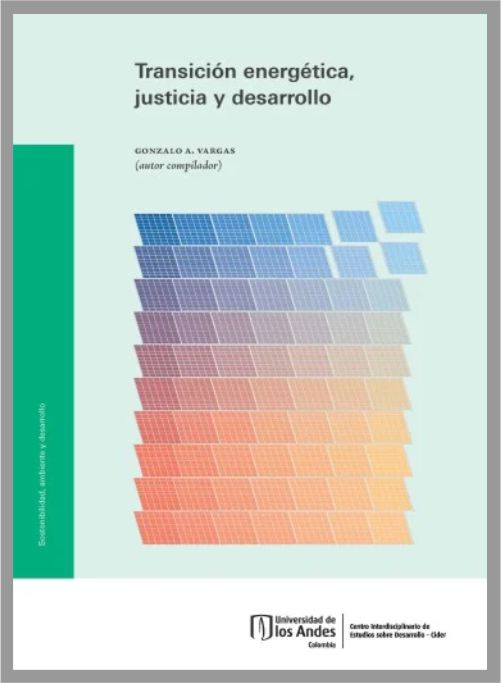
Transición energética, justicia y desarrollo

Transición energética, justicia y desarrollo

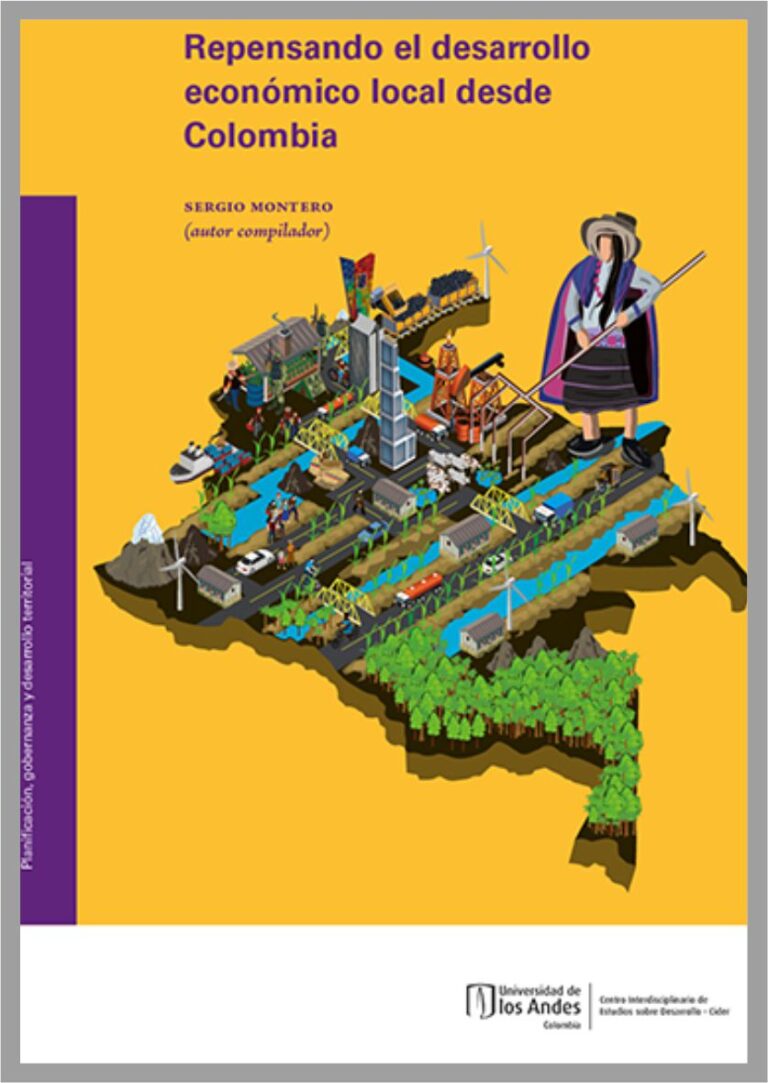
Repensando el desarrollo económico local desde Colombia

Calendario

CIDER

Oportunidades y Convocatorias

CIDER

MAAD

CIDER

Logo Cider
  • 339 4949 Ext: 2640
  • +57 318 2481662
  • Carrera 1 No. 18A-12 – piso 6, Bloque G -GB
    Bogotá- Colombia Postal Code: 57

©2024 – Derechos Reservados Universidad de los Andes

Enlaces de interés

  • Admisiones y registro
  • Apoyo financiero
  • Interesados
  • Bienestar
  • Reglamentos de estudiantes
  • Estatuto Docente
  • Bibliotecas
  • Egresados
  • Uso de datos Personales

Enlaces Rápidos

  • Profesores
  • Administrativos
  • Convivencia y transparencia
  • Emergencias: Extensión 0000
  • Educación Continua
  • Mapa del Sitio

Síguenos en nuestras redes sociales

Facebook Linkedin X-twitter Youtube Instagram

Universidad de los Andes | Vigilada Mineducación
Reconocimiento como Universidad: Decreto 1297 del 30 de mayo de 1964. Reconocimiento personería jurídica: Resolución 28 del 23 de febrero de 1949 Minjusticia.

Logo Cider
Main Menu
  • El Cider
    • Facultad
    • Acerca del Cider
    • Historia
    • Directores
  • Programas
    académicos
    • Posgrados
    • Opción en Estudios Interdisciplinarios s​obre Desarrollo
    • Cursos CBU
  • Nuestra
    comunidad
    • Profesores y profesoras
    • Equipo administrativo
    • Egresadas y egresados
    • Representantes Estudiantiles
    • Estudiantes
  • Investigaciones y
    consultoría
    • Investigación
    • Planificación, gobernanza y desarrollo territorial
    • Género, equidad y desarrollo
    • Instituciones, paz y desarrollo
    • Sostenibilidad, ambiente y desarrollo
  • Publicaciones
    • Catálogo de libros
    • Otras Publicaciones
    • Comité de Ética
  • Novedades y
    oportunidades
    • Boletín informativo
    • Oportunidades y convocatorias
  • Contacto
Facebook Linkedin X-twitter Youtube